
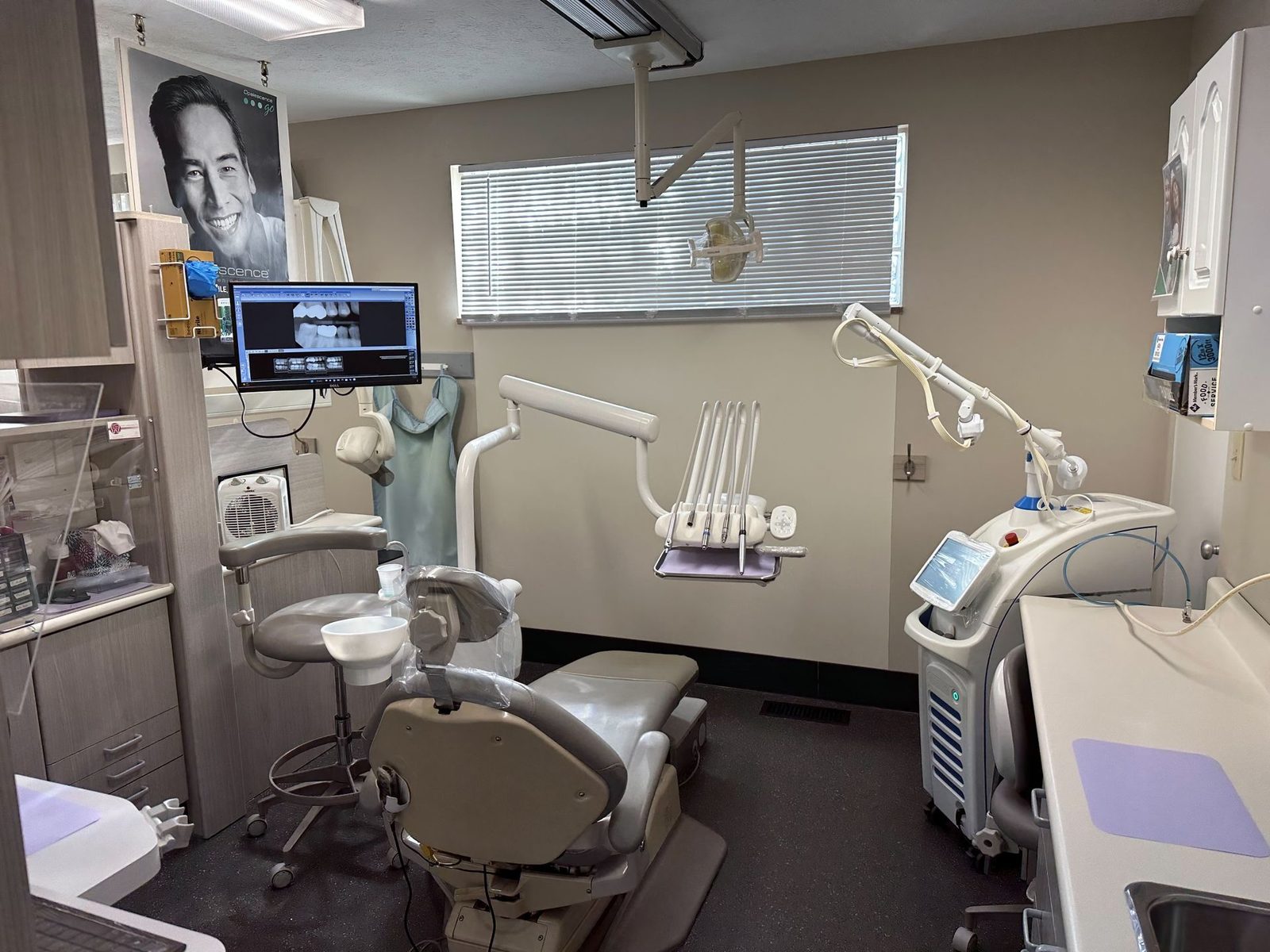
A root canal is a well-established, generally safe way to treat a tooth whose inner tissue is badly inflamed or infected while preserving the natural tooth when it can be restored. The procedure removes the damaged tissue, cleans and seals the canals, then closes and protects the tooth. A crown often helps a weakened back tooth stand up to chewing afterward, but not every root-canal-treated tooth needs one, and no treatment guarantees that a tooth will last forever.
- Root canal treatment is a generally safe, reliable way to preserve a restorable tooth with damaged or infected pulp.
- Irreversible pulpitis means the tooth’s inner tissue is unlikely to recover on its own; infection may also require treatment.
- The dentist numbs the tooth, removes damaged pulp, cleans and seals the canals, then restores the tooth.
- A crown often protects a weakened back tooth after root canal treatment, but the final restoration depends on the tooth.
Why saving the tooth matters
The pulp is the soft tissue inside a tooth containing nerves and blood vessels. Deep decay, a crack, an injury or repeated dental work can inflame or infect it. If the tooth is still structurally sound enough to repair, root canal treatment addresses the problem inside while keeping the natural tooth in place. For an exam and individual treatment plan, see Dentistry of East Colonial's root canal treatment page.
A root canal is not a substitute for treating gum disease or repairing a tooth that cannot be rebuilt. Nor is the root canal itself the entire job: the final filling or crown is part of the plan to keep the treated tooth useful.
Is a root canal safe and reliable?
Yes. Root canal treatment is an established procedure used to relieve pain and remove inflamed or infected pulp. Local anesthetic keeps the area numb, and the dentist cleans and seals the spaces inside the roots. The American Association of Endodontists describes the sequence as removing the affected pulp, cleaning and shaping the canals, then filling and sealing them. Its patient guide to root canal treatment explains the procedure.
Reliable does not mean risk-free or guaranteed. A treated tooth can remain tender for a time, fail to heal as expected, fracture, or become reinfected if a crack or leaking restoration lets bacteria back in. Some teeth need further treatment; some cannot be saved. The condition of the tooth before treatment and the quality and timing of its final restoration both matter.
If you have seen claims that a properly performed root canal causes cancer, the American Association of Endodontists says there is no credible scientific evidence for that claim. The real question for your dentist is whether this particular tooth is suitable for treatment and restoration.
Why is a root canal done for irreversible pulpitis or infection?
These are related but different diagnoses. Irreversible pulpitis is inflammation of the pulp that is not expected to settle and recover on its own. A tooth may ache spontaneously or remain painful after hot or cold food is gone. A root canal removes the inflamed pulp when the tooth can be restored. In selected cases, a dentist may consider another pulp-preserving treatment after an examination; symptoms alone do not determine the procedure.
An infected or dead pulp means bacteria have reached the inside of the tooth. The infection can affect tissues around the root and sometimes form an abscess. Root canal treatment removes the source inside the tooth and seals it; a dentist may also need to drain an abscess and assess surrounding tissues. Antibiotics alone do not remove tissue from inside the tooth or seal the canals.
| What the dentist finds | Why a root canal may help | What else must be checked |
|---|---|---|
| Irreversibly inflamed pulp | Removes tissue unlikely to heal | Whether a pulp-preserving option is appropriate and the tooth can be restored |
| Infected or dead pulp | Cleans and seals the inner spaces where infection began | Abscess, surrounding bone, drainage and need for additional treatment |
| Deep decay, a crack or a broken tooth | Treats pulp damage caused by the injury or decay | Whether enough sound tooth remains for a lasting filling or crown |
A sharp toothache does not prove that a root canal is needed; some sensitive teeth need a different treatment. Equally, an infected tooth may no longer hurt once the pulp dies. Examination, dental images and appropriate tests matter more than guessing from pain alone. The NHS explanation of root canal treatment also lists decay, cracks and dental abscesses among the reasons it may be recommended.
What happens during a root canal procedure?
1. Examine and plan
The dentist asks about the pain, examines the tooth and gums, checks how the tooth responds to testing and takes dental images where needed. They look for deep decay, a crack, infection near the root and enough remaining tooth structure to repair. They also discuss whether treatment can be done by a general dentist or calls for a root-canal specialist.
2. Numb and isolate the tooth
Local anesthetic is used to keep you comfortable. The dentist isolates the tooth from saliva, commonly with a thin protective sheet called a dental dam. Tell the team if you feel discomfort; an inflamed tooth can sometimes need extra attention to numbing before work continues. You can discuss concerns about injections and your medical history in advance.
3. Reach and remove the damaged pulp
The dentist makes a small opening through the chewing surface or back of the tooth to reach the pulp chamber. Fine instruments remove the inflamed or infected tissue from the chamber and root canals. The dentist then cleans and shapes the narrow spaces in the roots. If there is an abscess, separate drainage or other care may be needed.
4. Fill and seal the canals
After cleaning, the dentist fills the internal spaces and seals the tooth to reduce the chance of bacteria re-entering. Some cases are finished in one visit; others need another visit and a temporary filling between appointments. According to the NHS patient guide, treatment usually takes 2 or more appointments, with visits often lasting 1 to 2 hours or longer. That is a general guide, not a timetable for your tooth.
5. Restore the outside of the tooth
A filling or crown closes and protects the tooth after its inside has been treated. This step is not optional just because pain has stopped. Ask when the permanent restoration will be placed and what you should avoid chewing in the meantime. Keep the follow-up visit even if the tooth already feels better.
Why might a crown be recommended after root canal treatment?
A root canal treats the inside of the tooth. A crown is a custom covering for the outside. If decay, an old filling or a fracture has removed much of the natural structure, a crown can cover the remaining tooth and help protect it from chewing forces. Back teeth often take heavier loads and are frequently assessed for a crown after root canal treatment.
A crown does not cure an infection left untreated inside a tooth, and it does not make a cracked tooth indestructible. It also cannot always rescue a tooth with a fracture extending too far beneath the gum or without enough supporting structure. Your dentist should explain both the root canal plan and the final restoration plan before starting.
| After-treatment option | When it may fit | Important limit |
|---|---|---|
| Permanent filling | Enough healthy tooth remains to support and seal it | Less protection for a tooth with substantial structure missing |
| Crown or other protective covering | A weakened tooth, especially one used heavily for chewing | Requires adequate remaining tooth and a sound seal; not a lifetime guarantee |
| Extraction and replacement discussion | The tooth cannot be repaired predictably | Removes the natural tooth and creates a separate replacement decision |
A crown can improve the outlook for a suitable treated tooth, but the right restoration is an individual decision. Dentistry of East Colonial explains its dental crown and restoration options separately. Ask how much healthy tooth remains, whether a crown is recommended for your bite and what the plan is if the tooth does not heal.
What does recovery feel like, and when should you call?
The tooth and surrounding tissues can feel tender after treatment; local anesthetic can leave part of your mouth numb for several hours. Follow your dentist's instructions about eating, cleaning and any pain medication that is safe for you. Avoid heavy chewing on a temporary filling until the tooth has its final restoration or your dentist says it is ready. Keep routine checks so any new symptoms or a damaged restoration can be examined early.
Call the dental office if pain or swelling is getting worse rather than better, a temporary filling comes out, your bite feels wrong, or symptoms return after initial improvement. If swelling spreads into your face or neck, or you have trouble breathing or swallowing, seek emergency medical help promptly. Dentistry of East Colonial explains when urgent dental assessment is available on its emergency dentistry page; same-day help depends on the schedule and what treatment you need.
What affects whether the tooth lasts?
- The starting condition: A restorable tooth with sound support is different from one with a deep, hard-to-repair crack.
- The infection and canal shape: Some cases are more complex and may need specialist care or later review.
- A good final seal: A damaged or delayed filling or crown can allow new decay or bacteria to reach the tooth.
- Chewing forces and habits: Grinding, a heavy bite or chewing on a weakened temporary restoration can raise the chance of breakage.
- Ongoing care: Clean around the treated tooth and keep dental checkups. The gums and outside of the tooth still need care.
No national success percentage can tell you the outlook of an individual tooth. Ask your dentist to show you the images, explain whether a crack or lost tooth structure changes the prognosis, and describe the planned follow-up.
FAQ
Is a root canal safe in 2026?
Root canal treatment is a generally safe, established way to remove inflamed or infected pulp and preserve a restorable tooth. The dentist will assess your medical history, the tooth and the risks before recommending it.
Why would I need a root canal for irreversible pulpitis?
Irreversible pulpitis is inflammation of the tooth’s inner tissue that is not expected to recover on its own. A root canal removes that tissue when the tooth can be restored; selected teeth may have other options after assessment.
Can an infected tooth be saved with a root canal?
Often, if the tooth can be restored. Cleaning and sealing the canals treats the source inside the tooth, but an abscess or damaged surrounding tissues may also need care.
Does every root canal need a crown?
No. A crown is often recommended for a weakened back tooth, while a tooth with enough healthy structure may be restored differently. Your dentist decides based on the tooth and your bite.
Is a root canal painful?
The dentist numbs the tooth before treatment, and the goal is to relieve the pain caused by inflamed or infected tissue. Some tenderness afterward is possible; tell the team if you feel discomfort during the visit.
Can antibiotics replace a root canal?
No. Antibiotics cannot remove inflamed or infected pulp or seal the spaces inside a tooth. Your dentist will decide if medication is needed alongside treatment of the source.
How many visits does root canal treatment take?
The number of visits depends on the tooth and infection. The NHS says root canal treatment usually takes two or more appointments, with visits often lasting one to two hours or longer.
One last thing
Ask about the final crown or filling at the same appointment you discuss the root canal. Saving the tooth involves treating the inside and protecting the outside. If you are nervous, tell the Dentistry of East Colonial team what concerns you and ask for a step-by-step explanation. Request an appointment to find out what your tooth actually needs.